Supply · Install · Repair · Service · UK-wide
Car Park & Vehicle Barriers
Automatic rising arm barriers, complete car park systems, ANPR, manual barriers, height restrictors and road blockers. Supplied, installed, repaired and serviced anywhere in the UK.
- UK-wide
- All makes repaired
- Safety tested & certified
Choosing the right barriers
A barrier is the fastest way to take control of who drives onto your site. The right one depends on three things: how many vehicles use the entrance, how they will identify themselves, and how secure the entrance needs to be when nobody is there.
We handle the whole job with our own team: survey, concrete base and ducting, electrical supply, induction loops, the barrier, the access control and the safety testing. That matters, because most barrier problems come from the parts around the barrier, not the barrier itself.
Types of barriers we install and repair
 Rising Arm BarriersAutomatic arm barriers for car parks, yards and private roads, from 2.5 m to 8 m lanes.Find out more
 Car Park BarriersComplete entry and exit systems for staff, resident, customer and paid car parks.Find out moreANPR BarriersBarriers that open by reading the number plate. No fobs, no tickets, a full log of every visit.Find out more
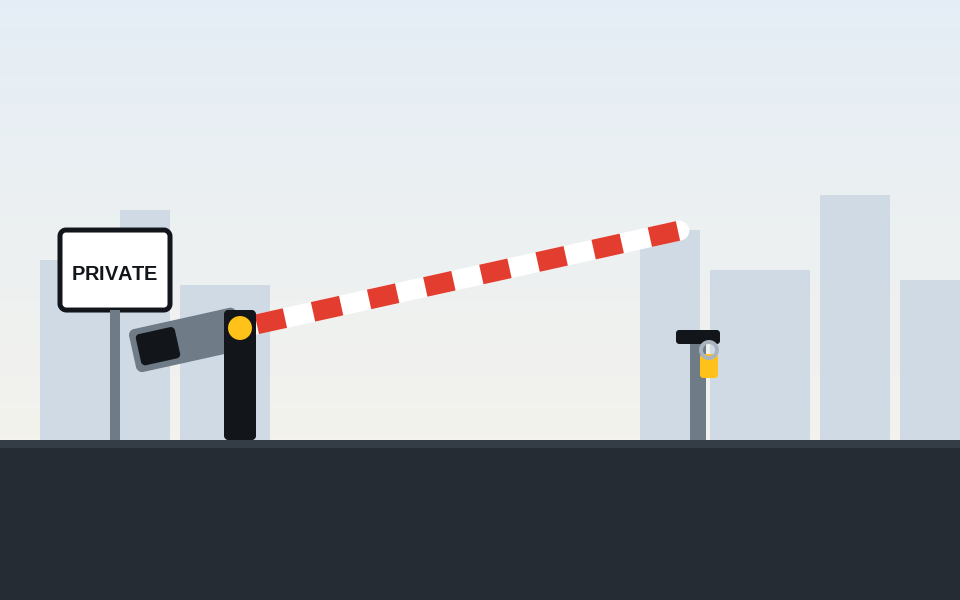 Manual Swing & Lift BarriersPadlockable manual barriers for car parks, access roads and sites that open and close once a day.Find out more
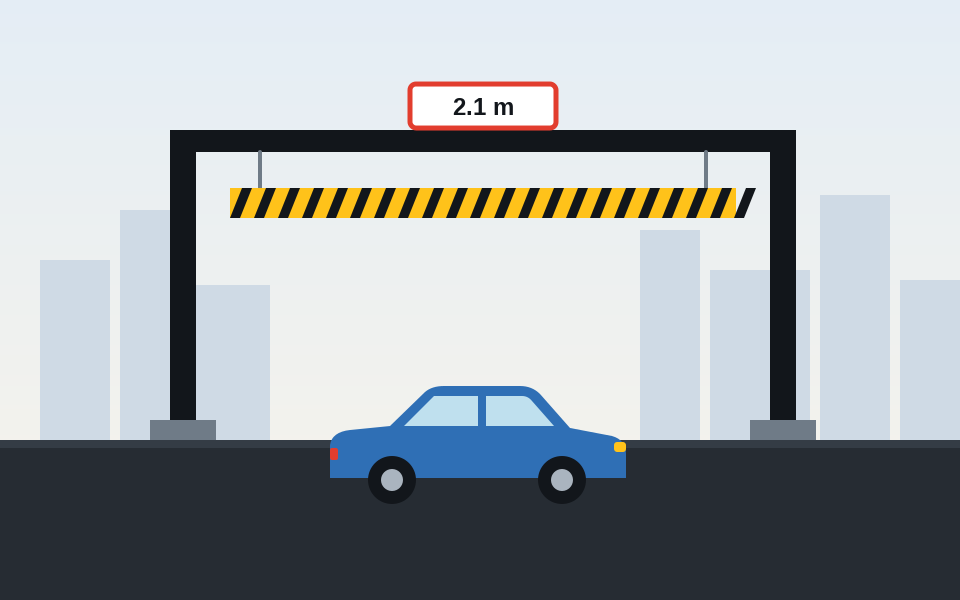 Height Restriction BarriersFixed and swing height restrictors that let cars in and keep vans, caravans and lorries out.Find out more
 Road BlockersRising steel wedges that physically stop a vehicle. For high-security entrances.Find out more
Guide prices
| Product | Guide price, installed |
|---|---|
| Rising Arm Barriers | From £4,999 |
| Car Park Barriers | £10,000 to £16,000 |
| ANPR Barriers | £1,500 to £4,000 |
| Manual Swing & Lift Barriers | £700 to £1,600 |
| Height Restriction Barriers | £1,200 to £3,000 |
| Road Blockers | £15,000 to £40,000 or more |
Guide prices for typical UK jobs. Fixed price confirmed in writing after a free survey. No VAT to add.
Installation, repair and servicing
For homes, businesses and industry
Homes and private roads
Residents' associations and private estates use barriers to keep through-traffic and commuter parking out. We keep running costs low with simple fob, phone or ANPR entry.
Businesses
Staff and customer car parks, hotels, schools and healthcare sites. We plan around your opening hours and keep one lane working wherever possible.
Industrial sites
Heavy-duty barriers for depots, ports and distribution, with HGV-length arms, gatehouse control and links to weighbridges and ANPR.
Standards and the law
Powered barriers are machinery under the Supply of Machinery (Safety) Regulations 2008 and must meet the safety level in BS EN 12453. At work they must also be maintained under PUWER 1998 and the Workplace Regulations 1992. We follow DHF TS 013, the industry code of practice, and leave you with test results and a maintenance log.
Questions we get asked
How long can a barrier arm be?
Standard barriers cover lanes from about 2.5 m to 8 m. The longer the arm, the slower it must run and the more the wind affects it, so for very wide entrances we normally recommend two barriers meeting in the middle or a sliding gate.
What is the best way to stop unauthorised parking?
For a known list of users, ANPR or long-range tags are the most reliable because there is nothing to share or copy. For mixed staff and visitor car parks, tags plus an intercom to reception works well.
How accurate is ANPR?
A well-positioned camera on clean UK plates reads the large majority first time. Accuracy drops with dirty or damaged plates and poor angles, which is why we always fit a back-up way in.
Lift-arm or swing barrier?
Lift-arm barriers need no room to swing and are quick to use. Swing barriers cope better with very wide openings and high winds, and can carry a height restrictor.
What height should it be set at?
Most car parks use 2.0 m to 2.1 m, which passes cars and most 4x4s but stops vans and motorhomes. If you have roof-box or accessible-vehicle users, we will discuss going a little higher.
Where we work
We cover the whole of the UK. Engineers travel from our North West base for surveys, installations and planned servicing, and we plan visits ahead for remote and island locations.
Get a free survey and fixed quote
Tell us what the entrance is and what you want it to do. A photo and a rough width is enough to start.