Supply · Install · Repair · Service · UK-wide
Security Bollards
Automatic rising bollards, driveway security posts, telescopic and removable bollards, static bollards and crash-rated anti-ram protection. Supplied and installed UK-wide, with repairs and servicing.
- UK-wide
- All makes repaired
- Safety tested & certified
Choosing the right bollards
Bollards do two different jobs. Some control access: they come down to let the right vehicle through and go back up behind it. Others are simply protection: they stay put and stop vehicles reaching a building, a walkway or a parked car.
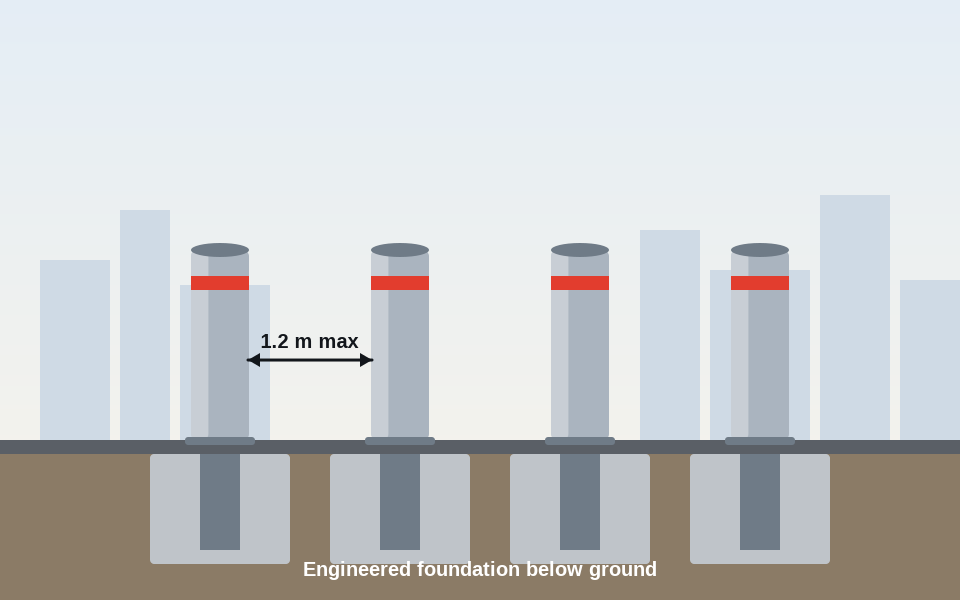
A bollard is only as good as what is under the ground. We survey for buried services, design the foundation and drainage for the product, and reinstate block paving, tarmac, resin or concrete properly afterwards.
Types of bollards we install and repair
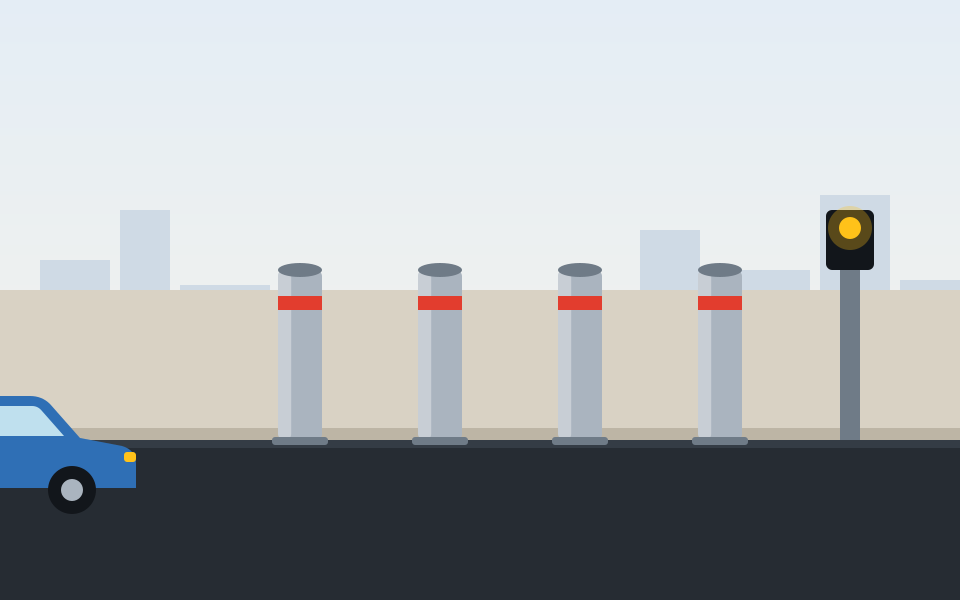 Automatic Rising BollardsBollards that drop into the ground at the press of a button. Access control without a gate.Find out moreSemi-Automatic BollardsGas-assisted bollards you lower by hand. Retractable security without power or hydraulics.Find out more
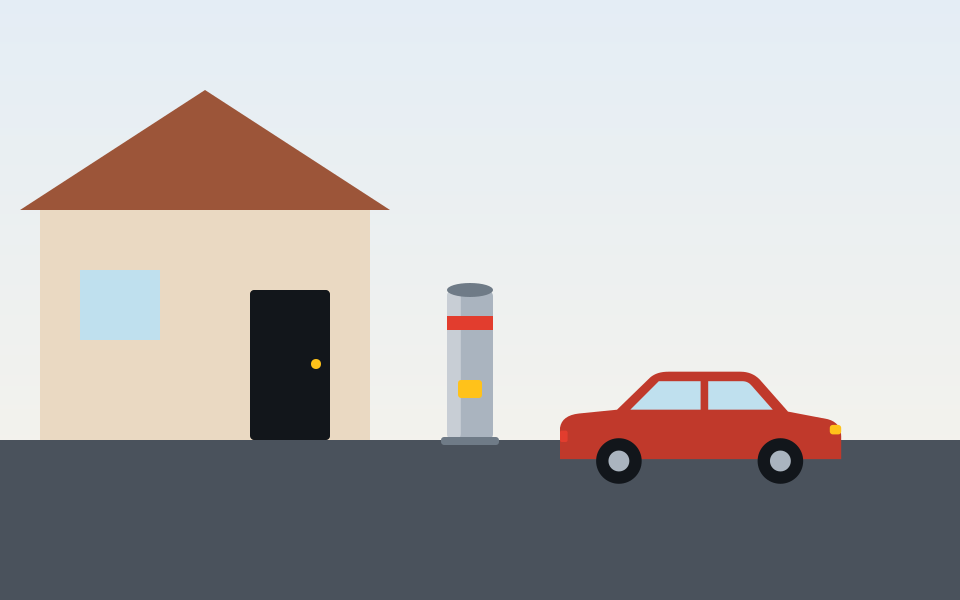 Telescopic BollardsLift-up, lock-in-place security posts that drop flush into the ground when not needed.Find out more
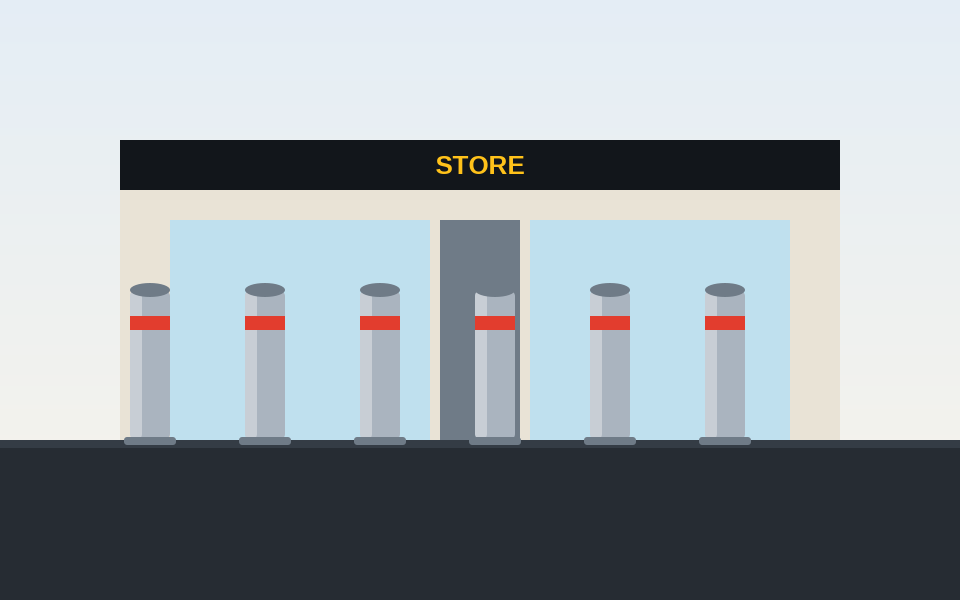 Fixed & Removable BollardsStatic steel, stainless and concrete bollards, plus lift-out posts for occasional access.Find out moreDriveway Security BollardsBollards for homes: stop keyless car theft, protect vans and motorhomes, keep your drive clear.Find out more
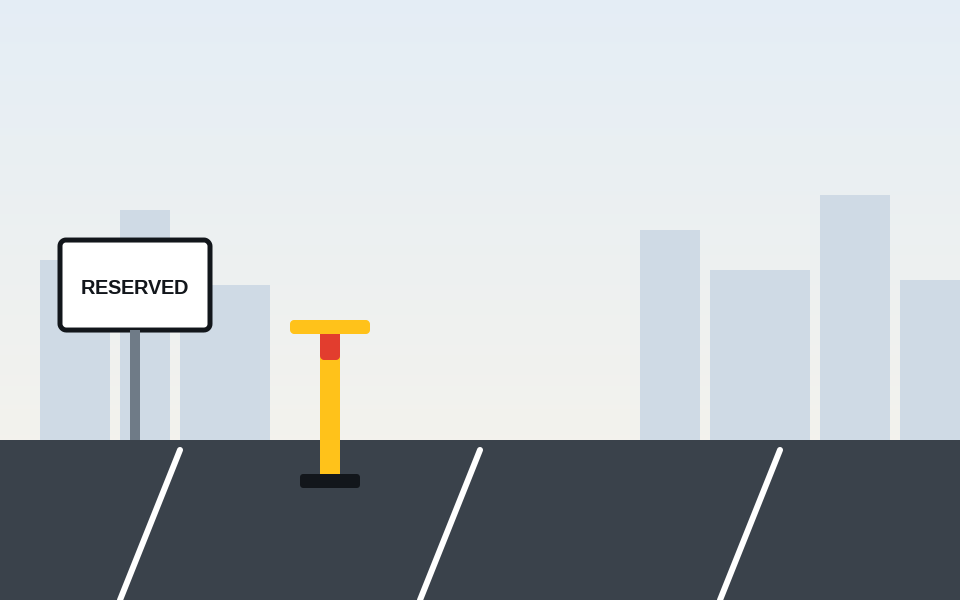 Fold-Down Parking PostsLockable fold-flat posts that keep your parking bay yours.Find out more
 Anti-Ram & Crash-Rated BollardsImpact-tested bollards for ram-raid protection and hostile vehicle mitigation.Find out more
Guide prices
| Product | Guide price, installed |
|---|---|
| Automatic Rising Bollards | £3,500 to £8,000 |
| Semi-Automatic Bollards | £900 to £1,800 |
| Telescopic Bollards | £250 to £600 |
| Fixed & Removable Bollards | £120 to £400 |
| Driveway Security Bollards | £250 to £600 |
| Fold-Down Parking Posts | £120 to £300 |
| Anti-Ram & Crash-Rated Bollards | £1,500 to £5,000 |
Guide prices for typical UK jobs. Fixed price confirmed in writing after a free survey. No VAT to add.
Installation, repair and servicing
For homes, businesses and industry
Homes
Driveway bollards to protect cars, vans and motorhomes from theft, and posts to keep your own space clear.
Businesses
Shopfront protection, car park and loading bay control, and automatic bollards for timed access.
Industrial and public sites
Warehouse and plant protection, perimeter security and crash-rated bollards for crowded places.
Standards and the law
Automatic bollards are machinery and must be installed so they cannot rise under a vehicle or injure someone on foot. Crash-rated bollards are impact tested to ISO 22343-1, which replaced PAS 68 and IWA 14-1 in 2023, and only perform if the foundation matches the tested design. Bollards on a public highway need the highway authority's consent.
Questions we get asked
Can I have an automatic bollard on my driveway?
Yes. A single electro-mechanical bollard behind the car is a popular defence against keyless car theft. You need mains power nearby and ground that can be drained.
How is it different from a telescopic bollard?
A telescopic bollard is lifted by hand, which can mean 10 to 20 kg. A semi-automatic one lifts itself on a gas strut, so anyone can use it.
How many do I need for a driveway?
Enough that no gap exceeds about 1.5 m. One behind a single car on a narrow drive, two or three on a wider one.
How far apart should bollards be?
About 1.2 m clear gap stops a car and still lets wheelchairs, mobility scooters and pushchairs through. Never more than 1.5 m if the aim is to stop vehicles.
Will a bollard really stop my car being stolen?
It will not stop a break-in, but it stops the car leaving, which is what thieves want. Most will move on to an easier target.
Where we work
We cover the whole of the UK. Engineers travel from our North West base for surveys, installations and planned servicing, and we plan visits ahead for remote and island locations.
Get a free survey and fixed quote
Tell us what the entrance is and what you want it to do. A photo and a rough width is enough to start.